

The Enemy I Chose to Hear
Why listening to voices I was taught to despise reshaped my faith in medicine, truth, and love

I was trained to believe in science the way others are trained to believe in God. The lab coat was my vestment, the peer-reviewed journal my scripture. For years I held fast to the creed that if one looked hard enough under a microscope, if one gathered enough data, the answers to human suffering would reveal themselves.
But science did not save me from disillusionment. Academic medicine promised truth and delivered profit. Corporate medicine promised efficiency and delivered dehumanization. I walked hospital corridors where patients became metrics, where colleagues bowed to billing codes rather than biology, and I wondered: is this all?
Then came George Floyd, his last breath pressed into the streets of Minneapolis, his death reverberating through Chicago, my city. At the same time, COVID tore through my community—through the lungs of the poor, the hearts of the elderly, the bodies of the Black and the brown. In those days I stepped outside the ivory tower and into the neighborhood clinics, into streets where loss was fresh and relentless. Chicago’s South Side, the land where the Panthers once organized, where Martin once marched, became my sanctuary.
It was there, amid grief and protest, that I began to unlearn the certainties I had carried. Faith had become science, and science had soured. I needed something higher.
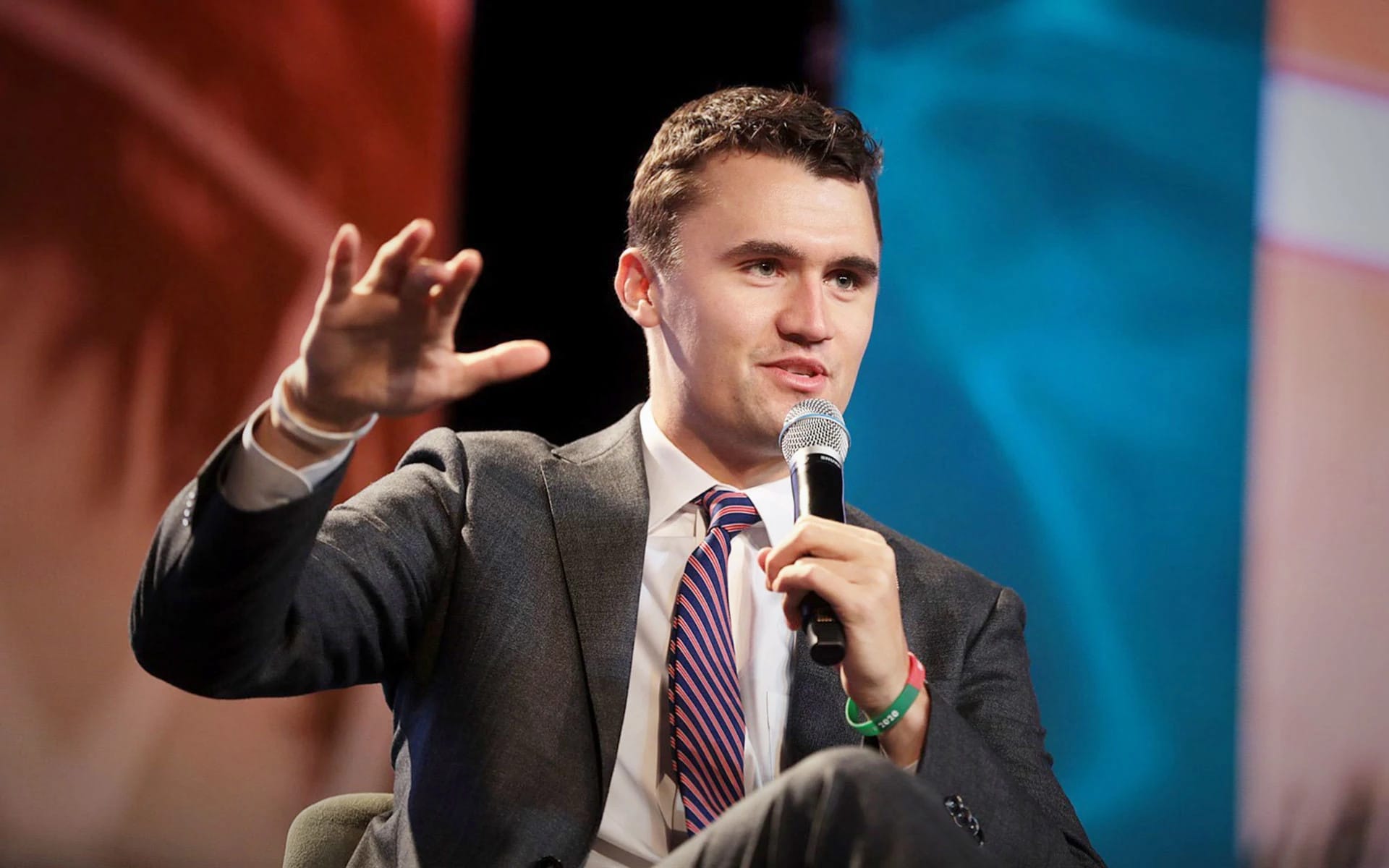
Out of that rupture, I did something strange: I turned to the voices I had long been taught to despise. I began to listen to conservative influencers, Charlie Kirk among them. At first, it felt like trespassing on enemy ground. Their words were sharp, their critiques of people like me unrelenting. To listen was to risk being cut.
But I kept listening. And slowly I realized the terrain was not as foreign as I had once believed. Beneath the rhetoric I heard something familiar: the sense of betrayal, the rawness of anger, the fear of being unseen. I did not swallow their conclusions whole, but I learned to respect their search.
What became clear is this: belief is fragile. It bends with evidence, it shifts with time, it is molded by tribe. But Truth is higher than belief. Belief can change; Truth cannot.
And Love is the Truth.
This is the lesson medicine could not teach me, but humanity did: that there exists a middle way. Not the lukewarm compromise of “both sides,” but a way that begins deeper—at the soil of shared humanity. It is the recognition that before we are liberal or conservative, before we are believers in science or disciples of faith, we are bodies that bleed, lungs that ache, spirits that crave belonging.
As a physician, I know the body tells the truth more honestly than we do. Stress drives cortisol wild. Oppression raises blood pressure. Loneliness weakens immunity. These things do not care for your politics. Biology reminds us what belief obscures: we are bound together.
Charlie Kirk did not convert me. He did not make me abandon the convictions I hold as a Black physician in a wounded city. But his presence in my journey reminded me that conviction is not the same as Truth. That beyond the arguments and algorithms, beyond the fury of our factions, there is something that does not bend.
Love.
Love is not a cure-all, not a slogan, not an escape. Love is the hard work of seeing one another clearly, even when it hurts. For all of our differences of opinions, Charlie represents that work for me—the work of listening where we would rather turn away, of finding a face where we expect only an enemy.
And in that work lies the only chance we have—that from the ruins of our distrust, something whole might still be built.